How to Introduce a Chief Guest Professionally (Anchor’s Complete Guide)
How to Introduce a Chief Guest Professionally (Anchor’s Complete Guide)
Introducing the Chief Guest is one of the most sensitive and high-responsibility moments in any event. A strong introduction builds respect, credibility, and attention — while a poor introduction can feel awkward, confusing, or even disrespectful. For a professional anchor, Chief Guest introduction is not just a formality, it is a test of: preparation language control stage maturity professionalism This guide will help you understand how to introduce a Chief Guest confidently, correctly, and professionally in any type of event — corporate, academic, cultural, or formal functions.
Why Chief Guest Introduction Matters So Much
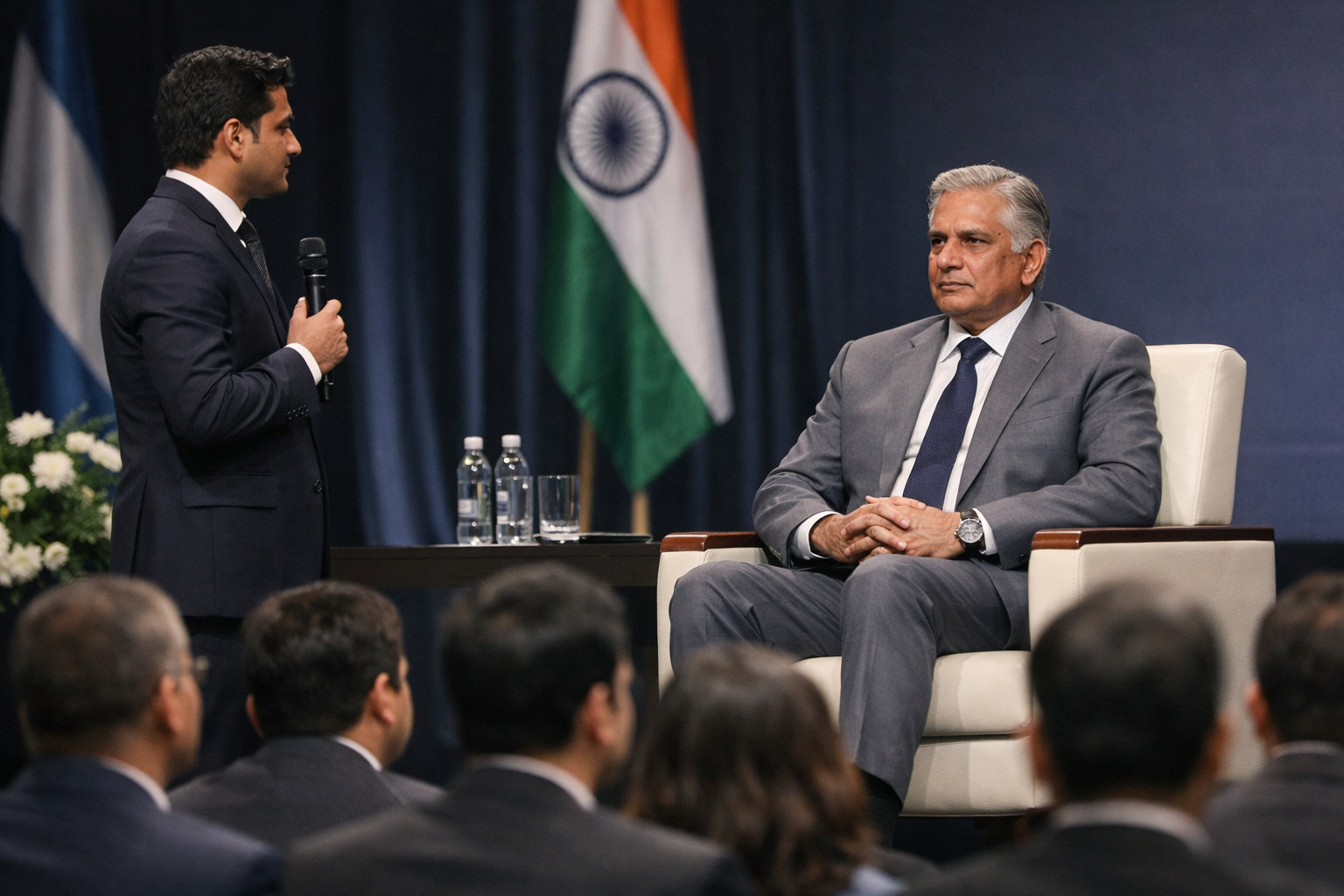
The Chief Guest is usually: the most respected person on stage a senior authority, leader, expert, or dignitary the reason many people attend the event Your introduction sets the tone for: how the audience perceives the guest how formal and organised the event feels how professional you appear as an anchor A good introduction creates instant respect. A bad one creates discomfort.

The Biggest Mistake Anchors Make
Many anchors: read long biographies word-to-word mispronounce names or designations exaggerate achievements unrealistically speak too fast or too casually sound robotic or nervous Professional anchoring is about clarity, relevance, and respect, not showing off vocabulary.
The Ideal Structure of a Professional Chief Guest Introduction
Every professional introduction should follow a clear structure. 1. Formal Opening Begin by setting respect and attention. Example: “Ladies and gentlemen, it is truly an honour for us to welcome a distinguished personality among us today.” This prepares the audience emotionally and mentally. 2. Mention the Designation Clearly Always mention: current position organisation or institution area of expertise Example: “Our Chief Guest today is a respected leader in the field of corporate leadership and strategic management.” Never rush this part. Designation = identity. 3. Highlight Key Achievements (Not the Full Biography) Select 2–3 impactful achievements, not everything. Example: “With over two decades of experience, our Chief Guest has led multiple high-impact initiatives and has been instrumental in driving innovation and growth.” This keeps the introduction strong and concise. 4. Connect the Guest to the Event This is what makes your introduction feel thoughtful. Example: “It is especially meaningful to have them with us today, as their journey and insights perfectly align with the purpose of this event.” This shows preparation and relevance. 5. Invite with Respectful Language End with a warm, respectful invitation. Example: “May I now request you all to please put your hands together as we welcome our esteemed Chief Guest to the stage.” This is where your voice modulation and pauses matter most.

Professional Sample Script – Formal Event
Here is a ready-to-use professional script: “Ladies and gentlemen, today we are privileged to have with us a personality whose experience, leadership, and vision continue to inspire many. Our Chief Guest for this occasion is [Name], currently serving as [Designation] at [Organisation]. With years of dedicated service and remarkable contributions in their field, they have played a key role in shaping impactful initiatives and guiding teams toward excellence. It is an honour to have their presence with us today, and we are confident that their words will add immense value to this gathering. May I request you all to please give a warm round of applause as we invite our esteemed Chief Guest to the stage.”

Tone Variations Based on Event Type
A professional anchor adjusts tone based on the event. Corporate Event Formal Crisp Respectful No jokes Academic / Educational Event Inspirational Knowledge-focused Calm and respectful Cultural / Award Event Warm Celebratory Still respectful Professional anchoring is about adapting, not repeating the same style everywhere.
Voice Modulation Tips During Chief Guest Introduction
Slow down your pace Use pauses before the name Slightly lower pitch to sound respectful Maintain eye contact with the audience Avoid filler words (umm, so, actually) This makes your introduction sound confident and authoritative.

Common Errors to Avoid
Avoid these strictly: Mispronouncing the guest’s name Using casual or slang language Over-praising unrealistically Reading directly from paper without expression Forgetting designation or organisation Rushing due to nervousness One mistake here can affect the entire event image.
Preparation Checklist for Anchors
Before the event, always confirm: Full name (correct pronunciation) Current designation Organisation name Key achievements (verified) How the guest prefers to be addressed Professional anchors never assume — they confirm.
Why This Skill Separates Amateur and Professional Anchors
Anyone can announce a name. A professional anchor creates respect on stage. Chief Guest introduction shows: your preparation level your language maturity your stage control your professionalism Clients remember anchors who handle dignitaries well.
Final Tip for Anchors
When introducing a Chief Guest, remember this line mentally: “This is not about me sounding impressive — it is about making the guest feel respected.” That mindset changes everything.