How to Become a Professional Anchor in India (2026 Guide): Skills, Training, Confidence & Career Path
How to Become a Professional Anchor in India (2026 Guide): Skills, Training, Confidence & Career Path
Becoming a professional anchor is not about speaking loudly on a stage or holding a microphone confidently for a few minutes. Anchoring is a performance-driven communication profession where your voice, personality, presence, and preparation decide your success.
In 2026, anchoring is no longer limited to school functions or local events. Professional anchors are working in: Weddings and luxury events Corporate conferences and product launches College festivals and award nights Fashion shows and brand activations Podcasts, YouTube shows, and live streams If you are serious about building a career as a professional anchor, this guide will give you clarity, direction, and a step-by-step path.
What Does a Professional Anchor Actually Do?
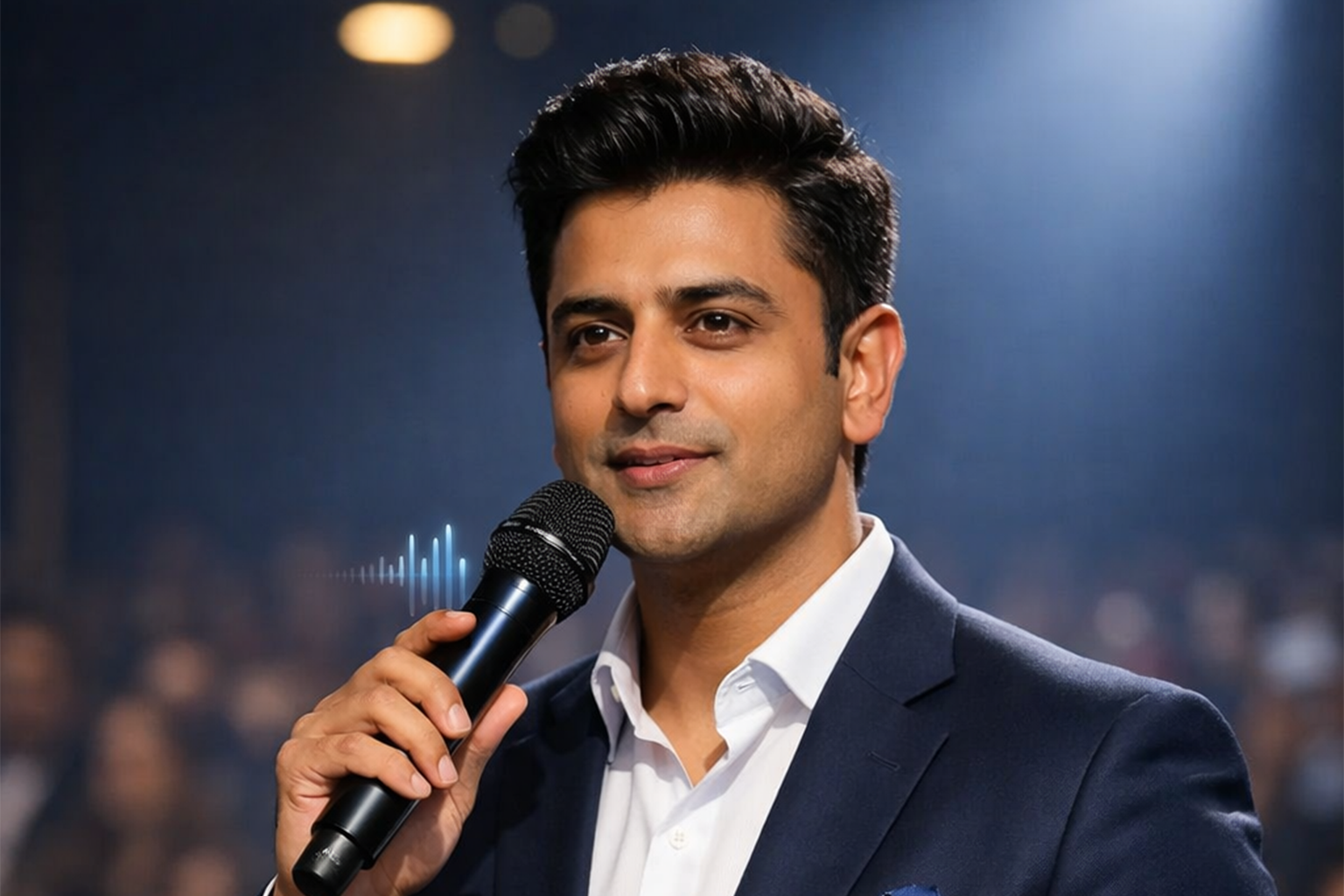
A professional anchor is responsible for controlling the entire event experience. Their role goes far beyond announcing names or reading scripts. A professional anchor: Sets the energy and tone of the event Engages the audience and keeps them interested Manages time, flow, and transitions Handles unexpected situations confidently Coordinates with DJs, planners, and event teams Represents the brand, family, or organisation professionally Good anchoring makes an event memorable. Poor anchoring can ruin even the best-planned event.

Step 1: Understand the Types of Anchoring
Before starting, you must know which anchoring path you want to pursue. Each type requires a slightly different skill set. Event Anchoring Includes weddings, corporate events, college fests, cultural programs, and award ceremonies. Wedding Anchoring Focuses on family-friendly humour, emotional storytelling, and audience engagement. Corporate Anchoring Requires formal language, professional tone, clear articulation, and brand alignment. Stage Shows & Live Events High-energy hosting, crowd interaction, and strong stage control. Podcast & Digital Anchoring Camera confidence, conversational skills, and content-driven communication. Knowing your interest helps you train in the right direction.
Step 2: Build Strong Communication Skills
Communication is the backbone of anchoring. A professional anchor must work on: Clear pronunciation and articulation Neutral accent and fluency Structured speaking (opening, body, closing) Active listening Audience-specific language You don’t need “perfect English,” but you need clear, confident, and understandable communication. Regular reading, speaking practice, and vocabulary building are essential.
Step 3: Work on Voice Modulation & Clarity
Your voice is your biggest tool. A professional anchor knows how to: Control pitch and tone Use pauses effectively Increase or reduce energy based on audience mood Speak clearly without shouting Maintain vocal stamina for long events Daily voice exercises, breathing techniques, and mic practice help build vocal strength and control.

Step 4: Develop Stage Confidence & Body Language
Many people speak well but fail on stage because of nervous body language. A professional anchor works on: Posture and stage movement Eye contact with the audience Facial expressions Hand gestures Walking and standing positions Confidence is not about being fearless; it’s about being prepared. The more you practise on stage, the more natural you become.
Step 5: Learn Script Writing & Event Flow
Anchors who depend only on ready-made scripts struggle in real events. You must learn: How to write opening lines How to introduce performers and speakers How to create smooth transitions How to manage gaps and delays How to close an event professionally Understanding event flow makes you reliable and professional.
Step 6: Get Proper Training & Mentorship
Self-practice helps, but structured training accelerates growth. A professional anchoring course helps you: Learn real event scenarios Practise live hosting Understand client expectations Build stage confidence faster Avoid beginner mistakes Training under an experienced anchor gives you industry clarity, not just theory.
Step 7: Create Your Anchor Portfolio
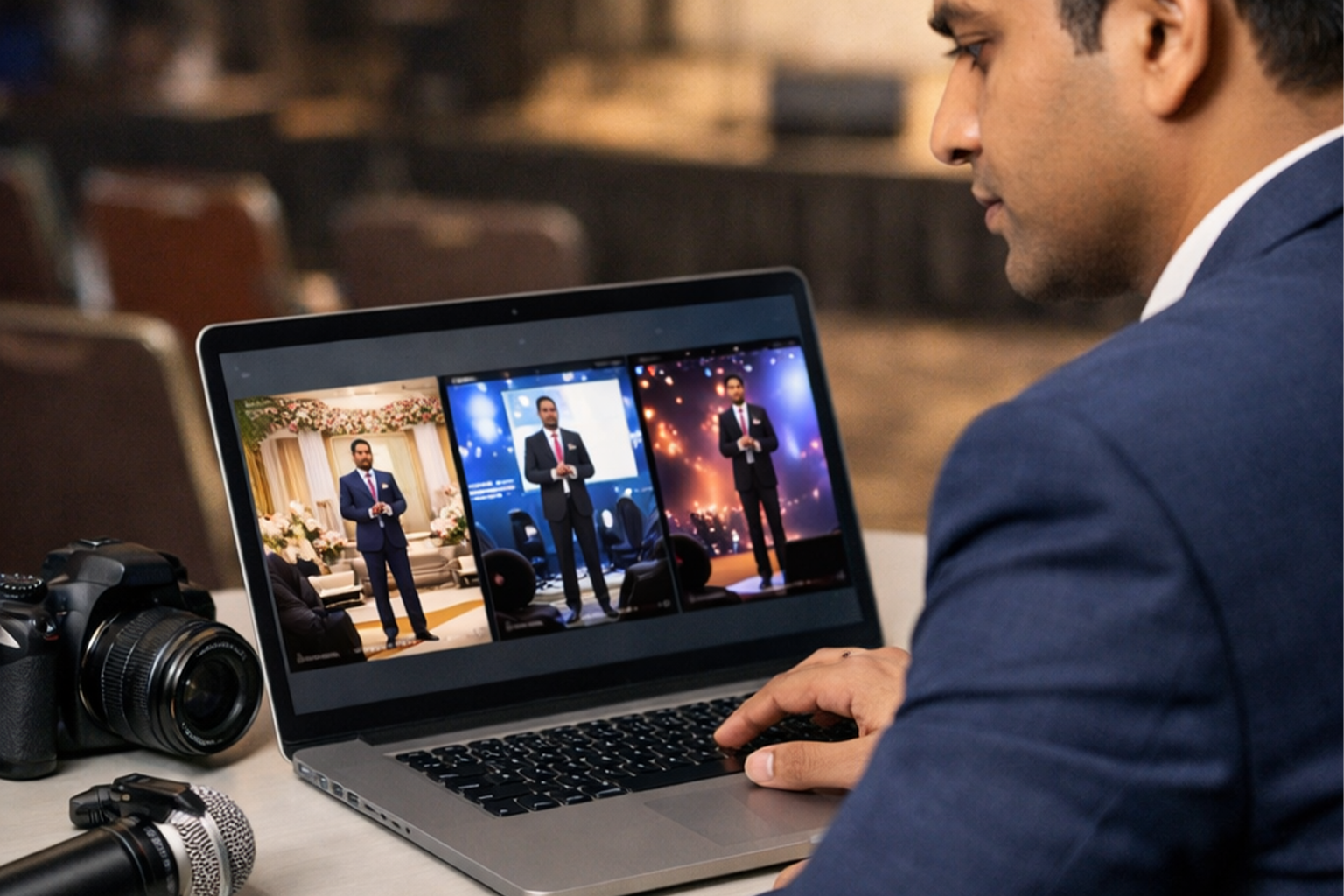
Your portfolio is your identity. It should include: Professional photos Live event videos Introduction clip Different event styles (wedding, corporate, stage) Short bio and contact details Clients book anchors based on what they see, not what they hear.
Step 8: Start Small but Be Consistent
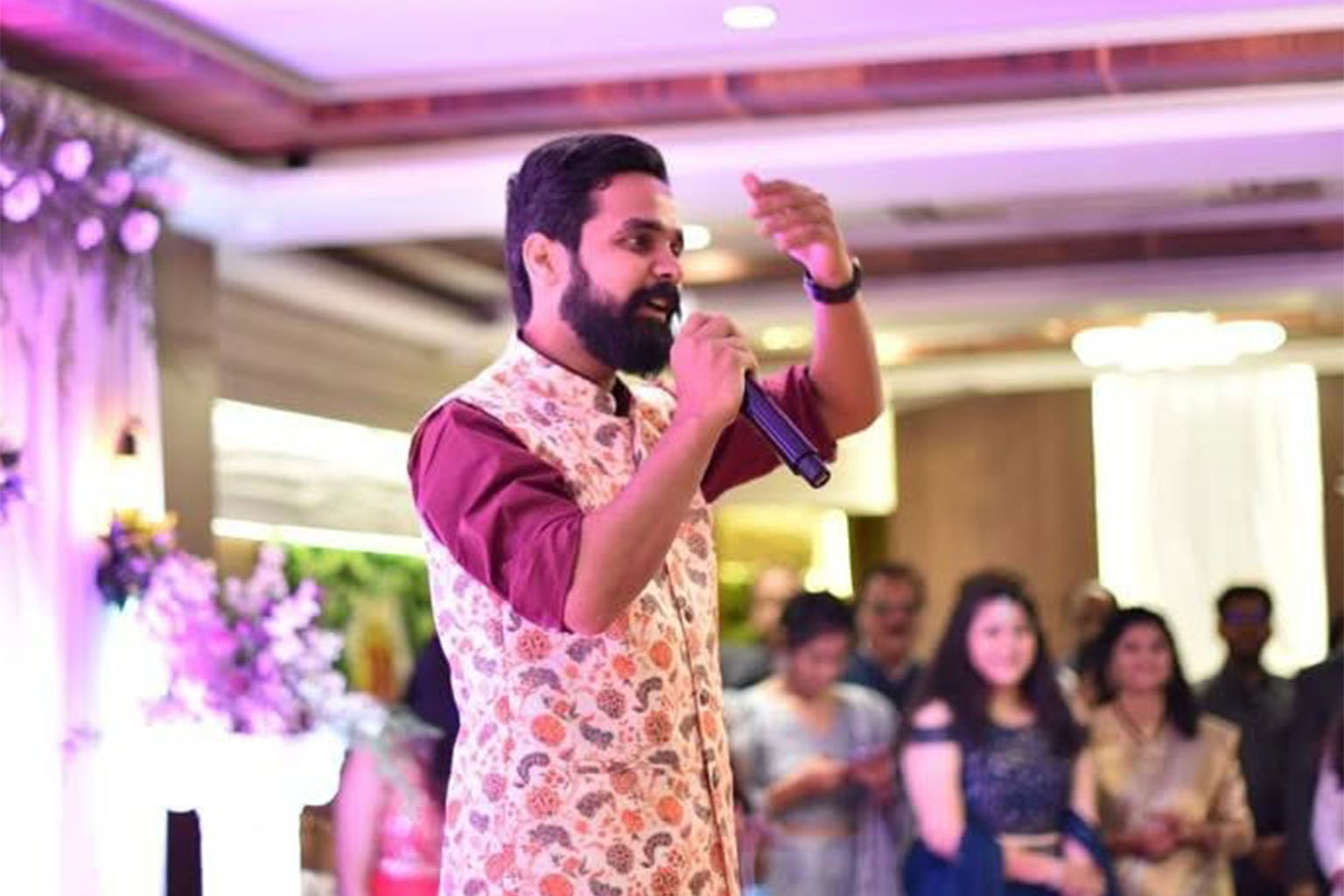
Every professional anchor starts small. Begin with: College events Local shows Family functions Open mic hosting Small corporate gatherings Each event builds experience, confidence, and visibility. Consistency matters more than perfection.
Step 9: Learn Professional Etiquette & Client Handling
Anchoring is also a service business. You must learn: How to talk to clients How to understand event requirements How to coordinate with teams How to dress appropriately How to manage time and commitments Professional behaviour builds long-term reputation.
Step 10: Build Your Personal Brand
In 2026, visibility is power. Professional anchors must: Maintain a strong social media presence Upload live event clips regularly Create educational or entertaining content Build a website with services and videos Collect client reviews and testimonials People book anchors they recognise and trust.
Common Mistakes Aspiring Anchors Make
Avoid these mistakes if you want long-term success: Copying other anchors blindly Ignoring voice and language training Overacting on stage Using inappropriate humour Not practising regularly Expecting quick success without effort Anchoring is a skill — skills take time.
Career Scope & Income of a Professional Anchor
Professional anchoring offers strong growth potential. Depending on experience and event type: Beginners may earn per-event fees Experienced anchors charge premium rates Wedding anchors earn seasonally high income Corporate anchors command higher professional fees Digital anchors create long-term content income With skill and consistency, anchoring can become a full-time career.
About Me
I’m Amritansh Tiwari, a professional anchor and anchoring trainer based in Pune. I work with weddings, corporate events, colleges, and live shows, and I train aspiring anchors to build confidence, communication skills, and stage presence through practical, industry-focused training.
Ready to Start Your Anchoring Journey?
If you are serious about becoming a professional anchor and want structured training, real-stage exposure, and personal mentorship, anchoring training can help you start with clarity and confidence. Explore Anchoring Training Programs Talk to a Trainer